

August, 2024
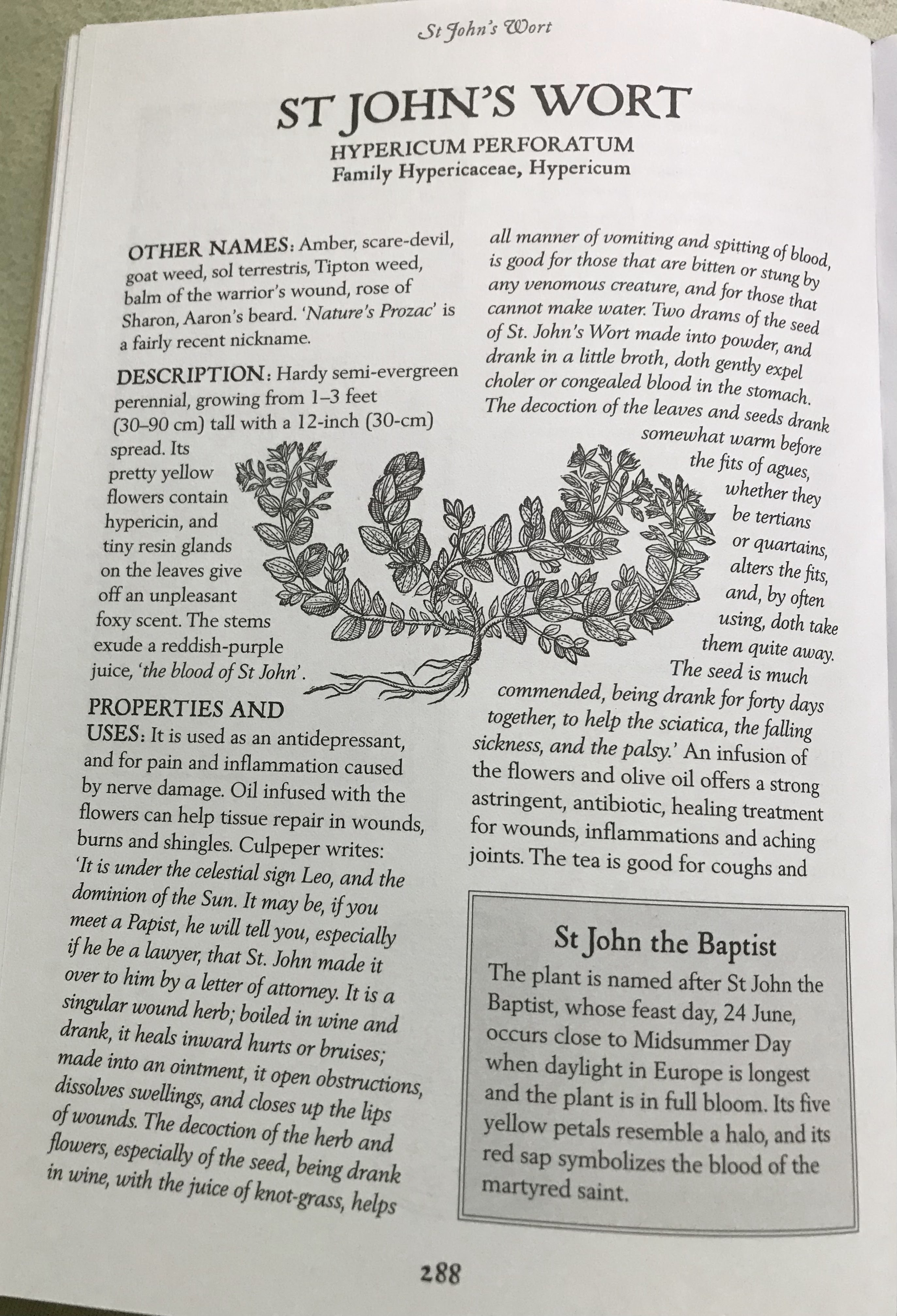
I was weeding the basil patch the other day when I came upon a lone St. John’s Wort seedling struggling to life in a tangle of grasses and weeds. I reached to pluck it out, but then thought better about it. It seemed that it didn’t belong in the neatly planted row of herbs, but then maybe it did. A plant that had overcome so many obstacles surely deserved to live, so I weeded the grasses around it and let it be.
Many years ago, when I was first starting the garden beds, I threw a packet of wildflowers onto the freshly turned soil. They grew like wildflowers one can say, but I soon came to regret the tangle of Queen Anne’s Lace, goldenrod, mallow and others that competed in their efforts to choke each other out. They were beautiful to behold in their wildness, but they belonged in a meadow and not a small backyard plot. So, I pulled them out by the roots at the end of the season and tossed them to the compost. Still, to this day, the seeds of that wild garden linger on. They pop up in nooks and crannies and other neglected spots of the garden where they are crafty enough to escape the weeder’s careful eye. Sometimes when discovered, they are spared simply because of the gardener’s whim at the moment when she is thinking about the beauty of the weed and doesn’t have the heart to destroy its little yellow winking flowers. Or maybe it is not a whim at all. It is said that St. John’s Wort has been used as an antidepressant and for pain and inflammation over the years so maybe this wild one has more possibilities than the plants grown at will.
I never was a fan of myths. Even through all those years of English courses when I knew it was important to be up on the various Greek gods, I quietly shunned them. It’s not good to say you don’t care about Zeus and Apollo and all of the rest when you are an English major. I found that there were too many to even name never mind remember the details of their lives. It all seemed a confusing mix of gods and humans and monsters residing in a fantastical land. And to top it all, they are figments of imagination. Legends. Fictional characters with tales that seem as different as the storytellers writing about them. I’d rather stick to the wisdom of real mortals who actually lived upon the earth and helped us made sense of our human walk of life. Thank you, Henry David Thoreau.
Then I was gifted with the book Circe by Madeline Miller. The gleam of a friend’s eye when she handed me the book told me there was something special. So, I put aside my prejudices and opened my mind to the possibility of coming to an understanding of this love for the gods. In Greek myth, Circe was a Titan goddess who was the daughter of Helios. He’s the guy who rode across the sky in a golden chariot every day and also happened to create the day of sunlight while he was at it. When Circe displeases her father, she is banished to a deserted island where she takes on the role of survivalist and witch. Granted this island is not like any other island in that it produces all of her basic needs and then some, by magic of course, because this is a myth and she is a goddess. But there is something about her craft that really intrigues. Circe is attuned to nature and understand the qualities of the plant life around her. Tinctures, oils, balms and potions are her specialty. She embraces that instinctual aspect of women who have always been the keeper of the medicine closet. She calls upon her own resources and those around her, and because of this, she endures. She is a fictional character, yes; but one created to remind us that we all have these resourceful characteristics within us. And that is why the St. John’s Wort still stands in the herb patch.

